A $942 Million Debt Pile Is Threatening to Bury One of America's Oldest Mattress Brands
For decades the nation's top mattress makers largely catered to a traditional bedding landscape. But Sleep Number began selling adjustable smart beds to American consumers in 1987. Its mattresses, where people could adjust the firmness to their liking via a numbered dial, turned up in both bedroom small talk and late night TV ads. However, the Minneapolis-based company's empire is coming crashing down at an astonishing pace: Sleep Number's stock has collapsed over 80% in just two months, and the company is seeking a $50 million emergency loan to fend off bankruptcy.
A Balance Sheet Built for Disaster
Sleep Number's crisis can best be illustrated by its financials. The company carries a debt of $942.5 million while it has only $1.69 million in cash. Yes, you read that correctly: less than 2 million dollars in cash while carrying almost a billion in obligations. In its annual report in March 2026, the company revealed that "substantial doubt exists" regarding its ability to continue to be a "going concern," which is the accounting term for a business facing likely failure. If there is no substantial increase in sales or significant new financing, the company cautioned, it may have to renegotiate its debt, or file for bankruptcy.
Total year 2025 sales decreased by 16% year-over-year and came in at $1.4 billion. However, net loss has jumped from $20 million in the prior year to $132 million. Fourth-quarter sales alone declined 7.8% year on year to $347.4 million, while the quarterly loss of $2.55 per share was nearly five times worse than the $0.55 per share analysts had forecast.
Why the Business Fell Apart
Sleep Number's troubles did not arrive overnight. The company benefited from a surge in home-related spending during the pandemic, then suffered when that boom reversed sharply. A frozen US housing market — fewer people moving means fewer people buying new beds — hit the entire sector. Direct-to-consumer brands that sell mattresses online at a fraction of the price of a Sleep Number bed intensified competition. Last year, US retailer Mattress Firm merged with global wholesaler Tempur Sealy into one giant company called Somnigroup, adding more competitive weight.
Tariffs compound the pressure. Sleep Number sources roughly one-third of its raw materials from Mexican suppliers. With 25% tariffs threatening goods from Mexico, analyst Seth Basham at Wedbush warned that "tariff exposure could be a material drag," and that the company's limited pricing power leaves it little room to pass those costs to consumers already stretched by inflation.
What the Company Is Trying to Do
Sleep Number brought in a new CEO, Linda Findley, in April 2025. Findley previously led the turnaround of Blue Apron before selling that company in 2023, and earlier served as chief operating officer at Etsy. Her brief at Sleep Number is formidable: cut costs, reset products, and fix the balance sheet before time runs out.
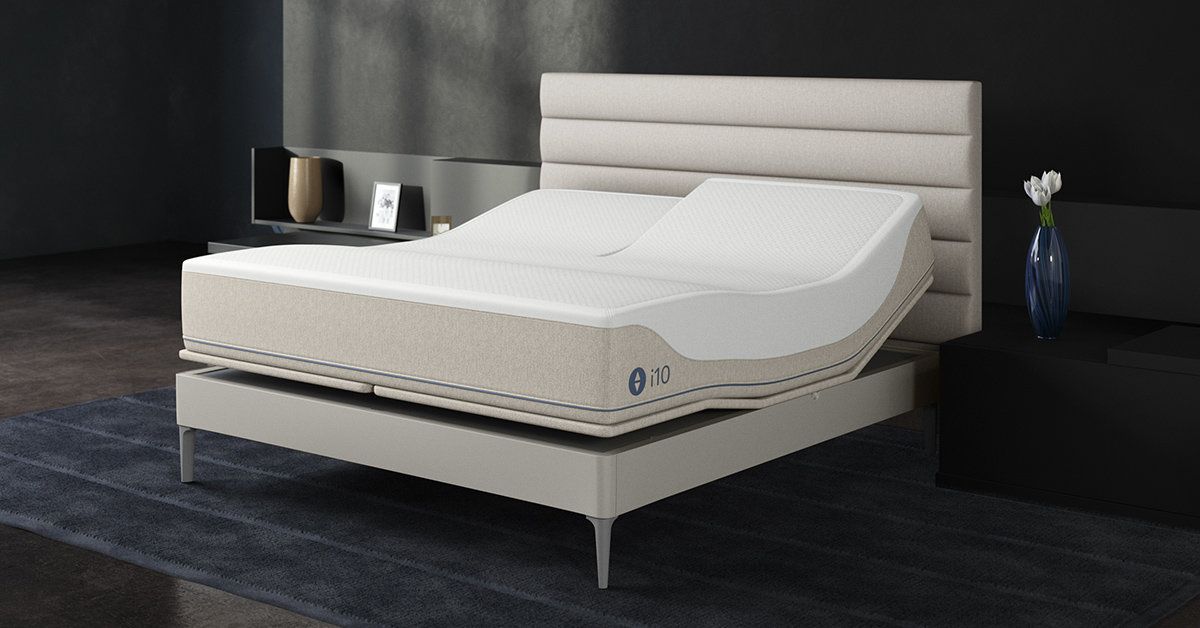
The company has already removed $185 million in annualized costs from its operations and identified a further $50 million to cut in 2026. In March 2026, it launched what it called its largest product reset in nearly a decade — five new beds with luxury features at more accessible price points, available online and in stores from March 23. The new ComfortMode mattress, priced below $1,600, reportedly sold 3.5 times better than expected.
To handle the financial side, Sleep Number retained Guggenheim Partners, which has been approaching investors about providing a so-called priming loan of approximately $50 million. Such loans rank ahead of existing debt in repayment priority, making them attractive to new lenders but potentially uncomfortable for current creditors. RapidRatings has assessed Sleep Number as carrying "very high risk" of default within the next 12 months.
Whether Findley's product reset and Guggenheim's fundraising can buy sufficient time remains uncertain. What is clear is that one of America's most recognisable mattress brands is sleeping on a very thin financial cushion.