The War That Turned Every Plastic Bottle Into a Supply Chain Emergency
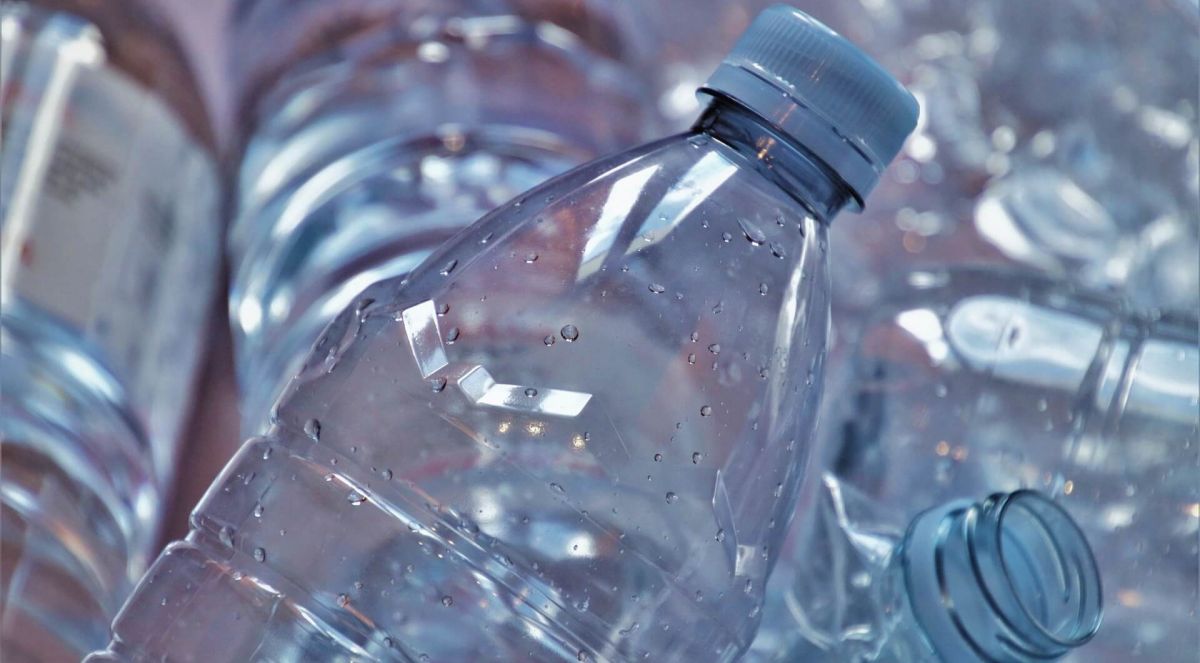
Next time you unscrew a cap on a water bottle, try to appreciate just what it took to produce it. The transparent plastic bottle is actually polyethylene terephthalate-or PET-made of two basic components, PTA, or purified terephthalic acid, and MEG, or monoethylene glycol. Each of these uses petrochemicals which are piped through, or derived next to, the Strait of Hormuz. Following February 28th, 2026, since the US-Israel operation against Iran went underway, the strait has been commercially rendered obsolete, and the international bottle business is being deeply impacted.
What Force Majeure Actually Means for Buyers
Force majeure is a legal clause that lets suppliers cancel or suspend delivery contracts when extraordinary events make fulfilment impossible. For buyers of plastic resin, receiving a force majeure notice means their supply agreement is effectively void. They must suddenly source material on the spot market, often at radically higher prices.
By March 13, 2026, ICIS had tracked 31 force majeure or sales allocation announcements across chemicals in Asia and the Middle East, along with 2 in Europe and 1 in the Americas. Sites affected include a Dow facility in Deer Park, Texas, and multiple LyondellBasell and Indorama locations in Europe. LyondellBasell declared force majeure on polyolefin supply obligations in Europe specifically, citing the unsustainable surge in feedstock costs that made honouring existing contracts economically impossible for the company. Kuwait's EQUATE declared force majeure on its 1.15 million metric ton per year ethylene glycol operation — the same MEG that is a core PET ingredient. Qatar Energy declared its entire 7.74 million metric tons per year LNG operation at Ras Laffan in force majeure after attacks on the facility.
The Price Surge Hitting Bottle Makers
The consequences for PET bottle producers are immediate and substantial. PET resin prices rose over 30% between late February and mid-March, said Wood Mackenzie analyst, Matt Slutzker. In Europe bottle-grade PET price went from $1,050 per tonne during normal, less expensive times to somewhere in the range of $1,250-1,380 per tonne in early 2026. ZCE PTA futures were on their way up toward 5,500 yuan per tonne, indicating that prices will continue to soar beyond a short cease fire.
For Asian and European makers, it hurts intensely. Polyethylene prices — used for caps and closures — jumped 50% to 80% in some markets within three weeks. In India, Bisleri, the country's largest bottled water company, raised prices by 11% and its packaging cost jumped more than 70% in weeks. In the United States, the impact is less severe because American plastics are largely made from ethane derived from natural gas rather than naphtha — but LyondellBasell CFO Agustin Izquierdo still announced 10 cents per pound contract increases for both March and April, totalling 35 cents per pound through May.
Who Pays and What Comes Next
Plastic bottle converters — the companies that melt resin pellets and blow them into actual containers — are expected to pass costs downstream. "They do pass that through, ultimately, because that's part of their contractual stipulations," Roxland of Sakonnet Research noted. Major beverage companies including PepsiCo and Coca-Cola had already warned investors of packaging cost volatility in their 2025 annual reports. Consumers will feel the effects when summer inventory hits shelves in April and May, as converters will have exhausted lower-priced stock purchased before the war.
One potential silver lining: recycled PET, which is not derived from petrochemical feedstocks, could benefit from the surge in virgin resin prices. But with seven PET recycling facilities having shut across the US in the past year, that capacity barely exists when it is needed most.
The plastic bottle has always been cheap, abundant, and disposable. For now, it is none of those.