What Makes the Kuwaiti Dinar the World's Most Valuable Currency?
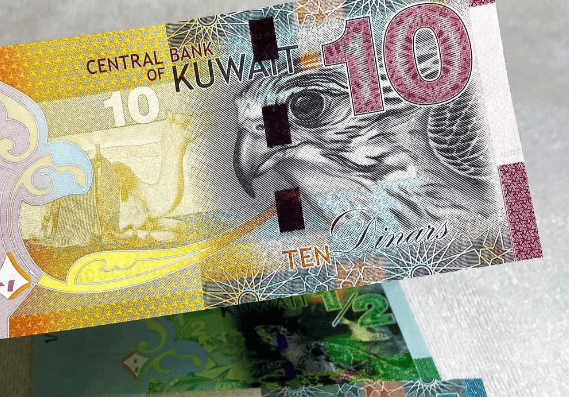
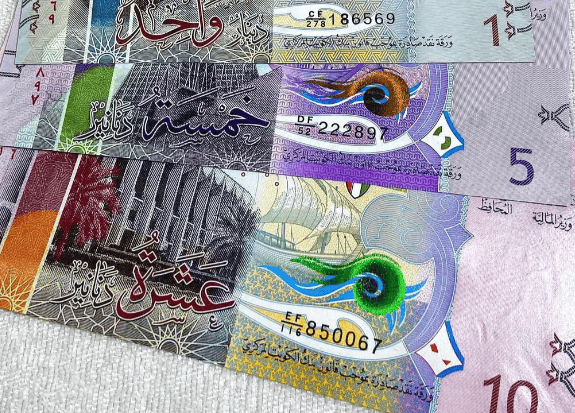
The Kuwaiti Dinar (KWD) hasn’t budged from its throne as the world’s highest-valued currency—always sitting above $3.26 for just one dinar. That’s no accident. Kuwait’s economic power goes back years, built on smart planning and oil reserves that the rest of the world envies. We’re talking about 6-7% of the planet’s proven oil reserves—nearly 2.7 million barrels pumped out every day. Oil exports cover more than 92% of government revenue, so foreign currency keeps pouring in, propping up the dinar.
But here’s where Kuwait stands out: while other oil-heavy nations deal with wild ups and downs, Kuwait has figured out how to turn that oil into steady currency strength. It helps that pulling oil from the ground here costs little, so they keep making money whether markets are hot or cold. That kind of reliability means people keep needing the dinar.
The Basket Peg Approach
Back in 2007, Kuwait decided not to tie its currency just to the US dollar. Instead, the Central Bank pegs the dinar to a mix—a basket—of major currencies. The dollar is in there, but so are the euro, yen, and a few others, each weighted according to Kuwait’s trading partners.
Why bother? Because when the dollar swings, the dinar doesn’t just blindly follow. By watching multiple currencies, Kuwait insulates itself from shocks in the US or anywhere else. Add to that the Central Bank’s deep reserves—over $45 billion—and the dinar’s position looks rock-solid.
Financial Reserves and Smart Investing
Kuwait’s caution goes further than just raking in oil money. The Kuwait Investment Authority (KIA)—around since 1953—holds the title of the world’s oldest sovereign wealth fund. As of now, it manages between $800 billion and $1 trillion, with stakes in everything from stocks to infrastructure, scattered across the globe.
When oil prices drop, Kuwait doesn’t panic. Instead, it taps into these investments to cover shortfalls, so there’s no need to devalue the currency or pile up debt. The General Reserve Fund and the Future Generations Fund mean there’s always a backup plan, reassuring investors that the dinar isn’t going anywhere.
Managing Supply and Staying Stable
Kuwait’s Central Bank keeps a tight grip on how many dinars are in circulation—limiting supply keeps the value high. They’re strict with capital flows too, clamping down on speculation and the kinds of wild swings you see in other markets.
Let’s get into politics for a second. Kuwait manages a pretty rare setup—think constitutional monarchy, an elected parliament, and real transparency around where public money goes. The World Bank even points to Kuwait as one of the Gulf’s most stable governments. No wonder investors feel at ease, and the dinar holds its ground.
Wealth, Inflation, and Attracting Talent
Kuwait’s got just over 4 million people, but ranks among the top in GDP per capita globally. That kind of money, divided among so few, keeps the currency strong. Inflation barely moves, staying around 2.3 to 2.4 percent into 2025, mostly because the central bank keeps things tight and the government offers subsidies on key goods.
Taxes? There aren’t any for individuals, and corporate taxes stay low compared to neighbors. That’s a huge draw for expats and international companies, making Kuwait an easy pick for global talent—and it keeps the dinar on firm ground.
Conclusion
Kuwait’s dinar doesn’t stand out because the country is huge or flashy. It’s about how they manage their wealth, set smart fiscal policies, and keep their monetary system rock solid. People usually talk about the US dollar or the euro, but, honestly, the dinar is in a league of its own when it comes to value.