Morgan Stanley Sounds the Alarm as Oil Shockwaves Trigger Global Equity Downgrade
While many retail investors cling to the hope that the Middle East crisis is a temporary logistical bottleneck—a mere "dip" to be bought—Wall Street’s heavyweights are sounding a deafening alarm. The narrative has shifted violently. It is no longer about blocked shipping lanes; it is about the physical destruction of production capacity.
Morgan Stanley has issued a stark warning, slashing its global equity rating from "Overweight" to "Equal Weight." The investment bank argues that the market is dangerously underestimating the structural damage being inflicted on the global energy supply. The "buy the dip" mentality is not just wrong; it is perilous.
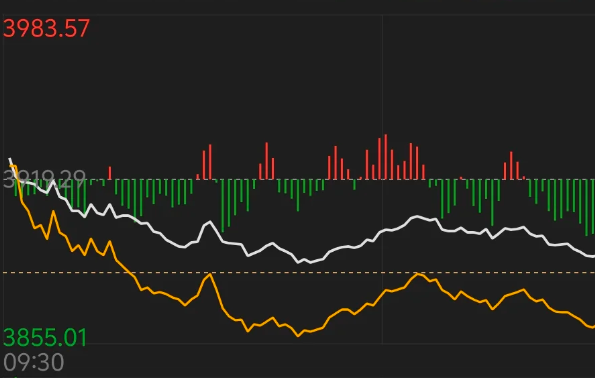
The End of Logistics, The Beginning of Destruction
The prevailing misconception is that the conflict is merely disrupting the transport of oil. However, the reality on the ground is far grimmer. We have moved past simple supply chain congestion into a phase of tangible asset destruction.
Morgan Stanley’s analysis indicates that the conflict has escalated beyond a blockade to the physical impairment of oil fields and refineries. With the Strait of Hormuz effectively sealed, the issue isn't just that oil can't get out—it's that the infrastructure required to extract and process it is being dismantled. This distinction is vital: logistics can be fixed in weeks; destroyed infrastructure takes years to rebuild.
Three Scenarios
The investment bank has outlined three potential trajectories for the energy markets, and the outlook is far from benign. The "baseline" hope for a quick return to 80 oil is fading fast.
The Base Case (Deescalation): Even if tensions cool, the damage to supply chains suggests prices will likely settle in the 80–90 range, keeping inflationary pressure alive.
The Restricted Scenario (Protracted Conflict): If the conflict drags on, supply constraints will tighten significantly, pushing Brent crude well above 110 per barrel.
The Extreme Scenario (Demand Destruction): In a worst-case scenario where the flames of war expands, oil prices could pierce the ceiling, hitting 150 to $180 per barrel. At this level, we face not just inflation, but severe demand destruction that could shatter global GDP.
The Stagflation Trap and the Fed’s Paralysis
The macroeconomic implications of sustained high oil prices are terrifying. We are staring directly into the face of stagflation—a toxic mix of stagnant growth and rising prices.
For the Federal Reserve, this is a nightmare scenario. High energy costs will force inflation to re-accelerate, likely causing the Fed to hold interest rates steady ("higher for longer") rather than cutting them. Meanwhile, Europe and Asia, heavily dependent on energy imports, face a much bleaker outlook than the United States. Their manufacturing bases are directly threatened by energy costs that are simply too high to sustain profitability.
A Global Downgrade: Cash is King
In response to this shifting landscape, Morgan Stanley has made a decisive move: downgrading global equities to "Equal Weight."
This is a broad rejection of risk. Even markets that were previously favorites, such as Japan and the United States, are no longer recommended for "Overweight" positions. The traditional 60/40 portfolio (stocks and bonds) is failing because we are seeing a correlation where both asset classes suffer simultaneously—a "double kill."
In this environment, the old rules of diversification are broken. The highest priority for investors right now is capital preservation. The mantra is unequivocally "Cash is King."
The Flight to Safety
Where should capital go when equities are falling and bonds are yielding negative real returns due to inflation? The flight to safety is already underway.
The US Dollar: Remains the ultimate safe haven.
US Treasuries: Despite yield curve pressures, they remain a critical hedge.
Funding Currencies: Look to the Japanese Yen and Swiss Franc for stability.
Commodity Currencies: The Brazilian Real offers a unique hedge, benefiting from the very commodity boom that is hurting the rest of the world.
Do not be the liquidity providing the exit for smart money. The energy crisis is real, the supply shock is physical, and the market is only just beginning to price in the pain.