China Has Too Much Cash and Not Enough People Who Want to Borrow It
Chinese financial system currently holds an extensive amount of funds. The banks possess sufficient cash reserves but the central bank maintains its interest rates at near historical lows which prevents any borrowing activity. The situation of excessive cash but insufficient borrowing demand indicates serious problems for the second most powerful economy in the world.
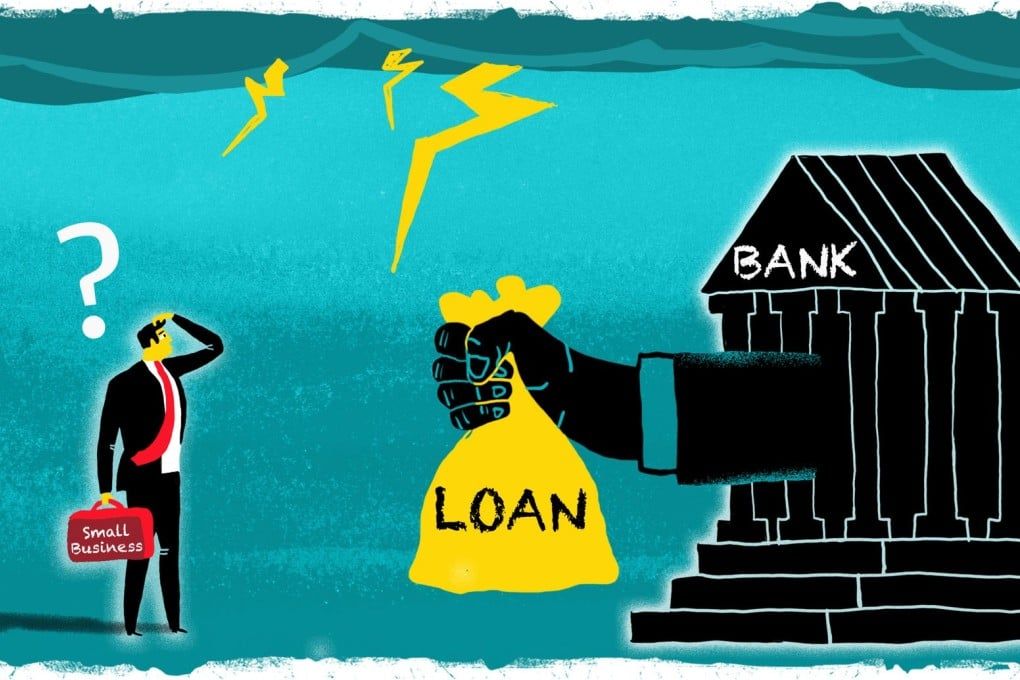
A Money Market Telling the Whole Story
Economists use the DR007 short-term interest rate to observe the banking system of China which shows them the current state of money circulation in the country. The money market of China operates as a vital signaling system. The financial system provides abundant cash when market conditions remain low but banks experience cash shortages during market upswings.
The pulse of the market shows minimal activity at present. The People's Bank of China (PBOC) maintains its benchmark 7-day reverse repo rate at 1.40% while short-term interbank rates remain extremely low. The 3-month Shanghai Interbank Offered Rate (SHIBOR) stood at roughly 1.51% as of late March 2026 — historically depressed levels that reflect a system awash in liquidity with nowhere productive to go.
Banks Are Lending to the Government, Not the Economy
Here is the problem in plain terms: Chinese banks have money but businesses and households do not want it. The new bank loans during 2025 decreased to 16.27 trillion yuan which represented a seven-year low for the period despite Beijing implementing multiple stimulus measures. The numbers kept deteriorating: in February 2026, new yuan loans totalled just 900 billion yuan, missing analyst forecasts of 979 billion yuan and falling short of the 1.01 trillion yuan lent in the same month a year earlier.
The banks have turned to government facilities after their organizations faced difficulty finding eligible borrowers. Chinese lenders have poured money into sovereign bonds pushing the 10-year government bond yield down to around 1.79% in February 2026. People believe this situation shows their lack of faith in the future. The fact that banks prefer to invest in a 1.79% government bond instead of taking business lending risks reflects their negative economic outlook.
Why Nobody Wants to Borrow
The public displays an extreme unwillingness to take out loans. The real estate market in China which had been the main source of household assets and credit requirements has remained inactive since 2021. The backlog of mortgage loans hit a negative growth rate which continued its downward trend. The household deposits reached around 165 trillion yuan on September 2025 which represented 122% of GDP as families saved money instead of spending or taking loans. Corporate loan growth slowed to 9.7% in 2024 down from 13.7% the previous year as companies maintained their production capacity limits. The system-wide net interest margin reached a low point of 1.42% which made profitable lending operations more challenging while discouraging financial organizations from taking risks.
What Beijing Is Doing — and Why It May Not Be Enough
The policymakers continue their work without any delays. The government will invest 300 billion yuan into major state banks during 2026 to enhance their loan capabilities while reserving 250 billion yuan for ultra-long treasury bonds which will support consumer goods trade-in programs. The PBOC has shown its intention to reduce the reserve requirement ratio through future cuts.
The fundamental problem of borrowing costs becomes lower through monetary policy measures yet these measures fail to create genuine borrowing interest. The Chinese banking system will continue to accumulate more funds under the current conditions because people will not take loans during this time.