How Venezuela Became India's Newest Oil Supplier and Why China Stepped Back
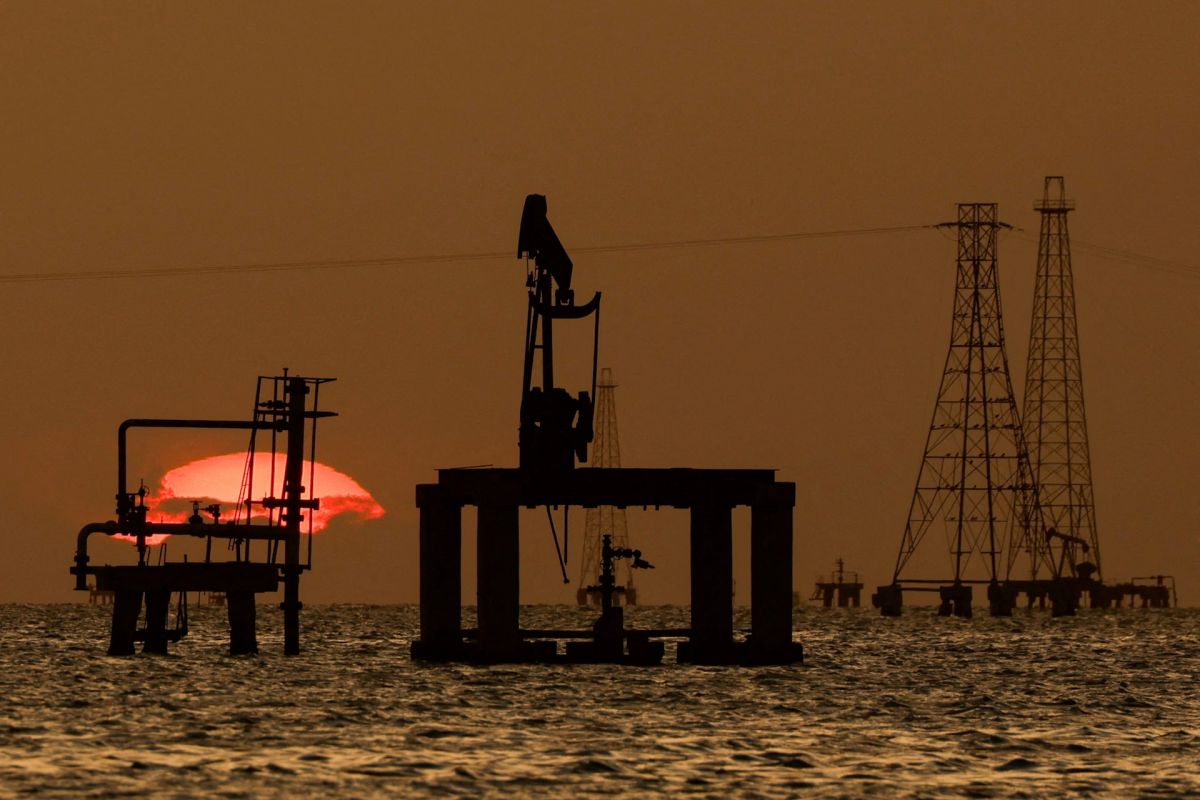
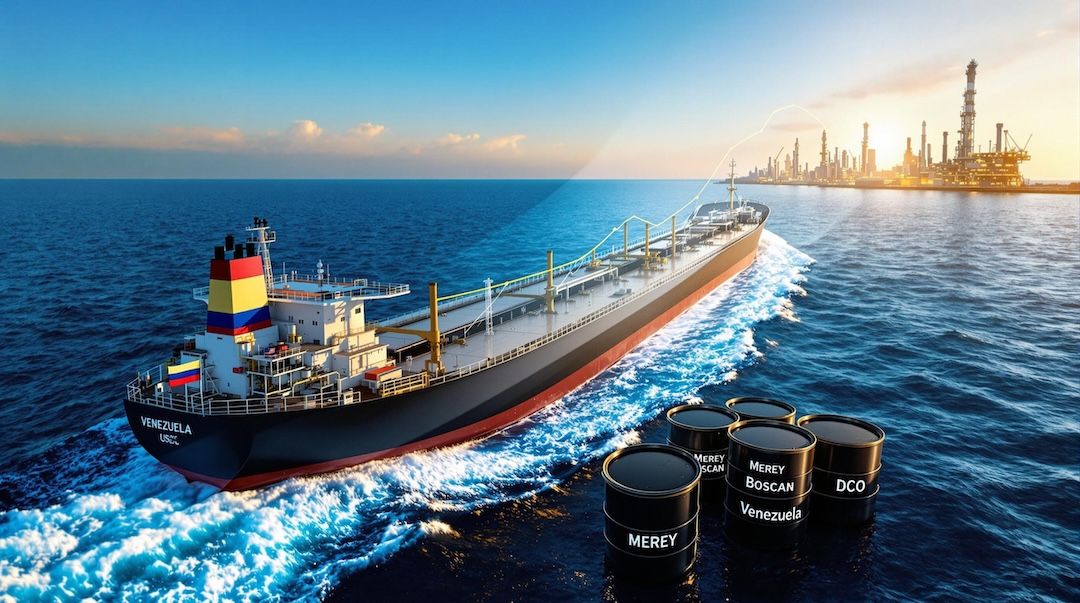
Somewhere in the South Atlantic, supertankers that once carried Russian crude to Indian refineries are now loading Venezuelan heavy oil at PDVSA's Jose terminal and sailing east across the ocean. The shift is quiet but consequential. Venezuelan crude exports hit 890,000 barrels a day in March 2026, the highest level since December 2019, and the customer picking up most of that oil is India — not China, which for years was Venezuela's dominant buyer but has now significantly pulled back.
How the Trade Architecture Changed
The story begins with the dramatic political rupture in Venezuela. US forces captured President Nicolás Maduro in early January 2026, ending his government and fundamentally reshaping the country's oil trade. The Trump administration moved quickly to take control of Venezuela's oil marketing, authorising commodity traders Vitol Group and Trafigura Group to export Venezuelan crude alongside Chevron, which already held a production licence. Oil proceeds are directed to a US-supervised fund based in Qatar.
China's retreat from Venezuelan oil is a direct consequence of this political change. For years, Beijing had been the de facto buyer of last resort, absorbing the bulk of Venezuela's exports as repayment against roughly $50 billion in loans made to the Maduro government over the preceding decade. With the US now controlling the oil sales channel, Chinese refiners have sharply curtailed purchases, uncomfortable with a supply chain now administered entirely by Washington.
India Steps Into the Gap
Indian refiners have moved into that space with remarkable and striking speed. The total deliveries of the crude to India more than quadrupled in March versus previous month. They exceeded deliveries to the U.S., Bloomberg's shipping data showed along with those from the maritime intelligence firm, Kpler. Three biggest Indian refiners - Reliance Industries, Hindustan Petroleum Corp and Indian Oil Corp - had a combined 343,000 daily barrels of the crude bought for March loading.
The commercial logic is straightforward and compelling. Venezuelan Merey heavy crude, a thick, high-sulphur grade, is being sold at around $6.50 to $7 per barrel below the Dubai benchmark. For the Indian refiners that can actually handle heavy grades such as the ones that were designed to process Visakhapatnam refinery the discount can actually represent a very significant price advantage. Bharat Petroleum already did buy 1 million barrels of Venezuelan crude for the first time through Vitol on February 2026, then HPCL Mittal Energy, a joint venture with steel magnate Lakshmi Niwas Mittal bought the second million and both crude cargoes were co-loaded on a single VLCC reducing the overall shipping cost.
What is Making Production Flow Again
The increasing volumes of exports can be accounted by another important improvement in logistics, the consistent and increasingly larger supply of diluents. Venezuelan crude is extremely heavy (more similar to bitument than to conventional crude oil) and has to be diluted by lighter hydrocarbons prior loading or by traveling on pipelines. March saw nine cargoes of diluents arrive in Venezuela, up from seven in February, all supplied by Vitol, Trafigura, and Chevron. Without that steady and reliable flow of additives, PDVSA's production capacity would remain chronically bottlenecked regardless of political changes.
India also has a geopolitical incentive that goes beyond the price discount. Indian refiners have been reducing purchases of Russian crude since October 2025, a move that helped New Delhi negotiate an interim trade deal with Washington. Buying Venezuelan oil — routed through US-authorised traders — fits neatly into that diplomatic reorientation.
The Middle East context adds further urgency. With the US-Iran war disrupting Gulf supplies since late February 2026, Indian companies are actively diversifying away from regional dependence. Venezuelan crude, despite its logistical complexity and the many thousands of miles of ocean separating Caracas from Chennai, offers something rare in a deeply turbulent energy market: a politically sanctioned, discounted alternative to disrupted supply lines. For now, India is buying it.