Why the Dollar Could Hit 175 Yen If the Middle East Oil Crisis Drags On
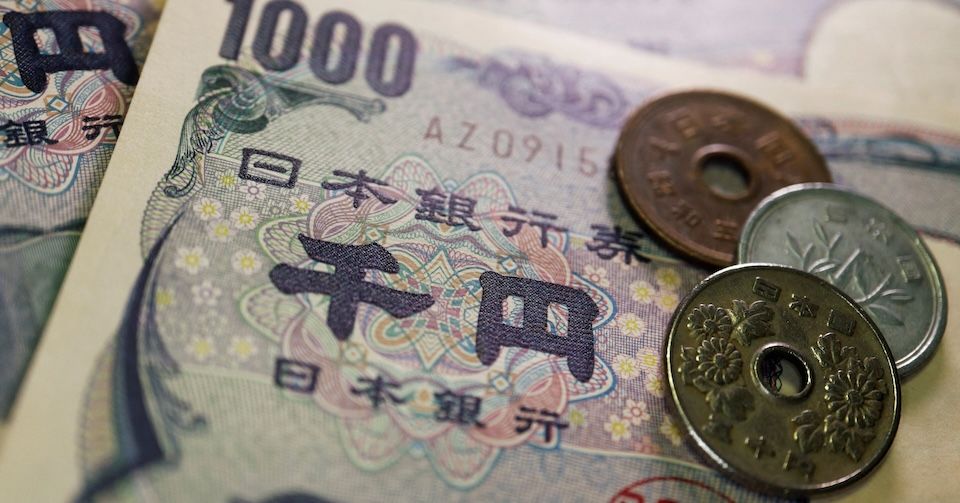
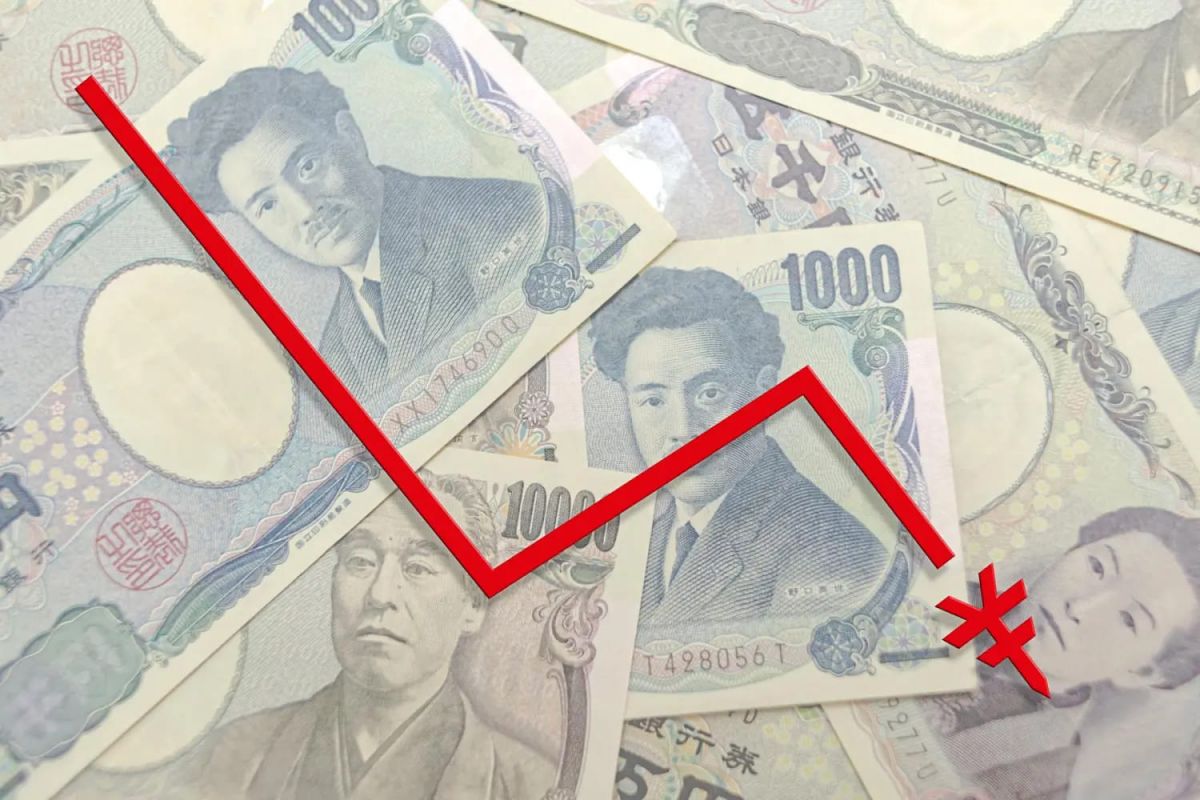
The Japanese yen is under serious pressure. As oil markets convulse from the closure of the Strait of Hormuz following the US-Israeli war with Iran that began on February 28, 2026, UBS has laid out a striking scenario: if the energy disruption extends for months rather than weeks, the dollar-yen exchange rate could surge all the way to 175. That would mark a dramatic new chapter for a currency already trading around 160 per dollar — a level that previously prompted Japan to intervene in markets in July 2024.
To understand why, it helps to picture what is happening right now in global energy markets.
A Chokepoint Like No Other
The Strait of Hormuz — a narrow waterway about 100 miles wide bordering Iran — normally carries roughly 20% of the world's oil and liquefied natural gas. Since the conflict began, that traffic has collapsed to fewer than five ships a day, down from more than 100. On March 9, Brent crude briefly spiked 29% in Asian trading, testing $120 a barrel. Giovanni Staunovo, an commodity analyst at Swiss bank UBS, said that around 10 million barrels per day of crude have been lost due to the closure, in what the International Energy Agency described as the biggest oil supply shock in history.
UBS raised the price for oil in June 2026 in its latest forecast. It sees Brent trading at $90 per barrel, up from its previous forecast of $65. However, in a worst case scenario the Swiss banking giant believes prices could soar to $150. It says that scarcity could lead to hoarding, sending prices through the roof and greatly increasing volatility.
Why Japan Gets Hit Hardest
Here is exactly where the yen's vulnerability becomes stark. Japan imports virtually all of its oil. Unlike the United States — which produces enough domestically to cushion an energy price spike — Japan has no buffer. Every dollar added to the oil price lands directly on Japan's trade balance, squeezing corporate margins, raising inflation, and threatening economic growth all at once.
In UBS's risk scenario, a sustained oil shock would push Japan's import bills sharply higher, widering the country's current account deficit and deepening pressure on the yen. Meanwhile, in the United States, elevated energy costs translate more readily into inflation than into growth damage — keeping the Federal Reserve reluctant to cut interest rates. CME FedWatch data as of March 20 showed over 80% probability that the Fed holds rates steady through year-end 2026, a dramatic reversal from earlier expectations of two or three cuts. As long as that interest rate gap between the US and Japan stays wide, dollar-yen has a persistent upward bias.
The yen has already shed more than 2% against the dollar in March alone. Japan's Vice Finance Minister Atsushi Mimura issued verbal warnings against speculative activity, signaling the government would take "decisive action" if needed — though intervention works far better when aligned with underlying fundamentals, which right now are not yen-friendly.
What 175 Would Actually Mean
A move to 175 yen per dollar would be the weakest level for the yen in modern history. For ordinary Japanese consumers, it would mean imported food, energy, and consumer goods becoming dramatically more expensive. For global investors, it would signal a massive shift in portfolio dynamics — Japanese stocks might gain in yen terms but shrink in dollar terms, while Japanese bonds could face renewed selling pressure.
UBS's base case holds that the Hormuz disruption will prove short-lived and Brent will eventually retreat to the $60–70 range. But markets are not priced for the scenario where the strait stays effectively closed into summer. If that window closes without a resolution, the road to 175 stops being a tail risk and becomes a plausible forecast.