Why Global Investors Are Rushing Into Malaysian Bonds Right Now
When war rattles financial markets, money moves fast. Since US and Israeli forces struck Iran on February 28, 2026, global investors have been pulling capital out of emerging markets at an alarming pace. Yet one country is swimming against that tide: Malaysia. In a market where most developing economies are watching foreign money flee, Malaysia is pulling in cash — and the reason comes down to a single, powerful word: oil.

The Numbers Tell a Clear Story
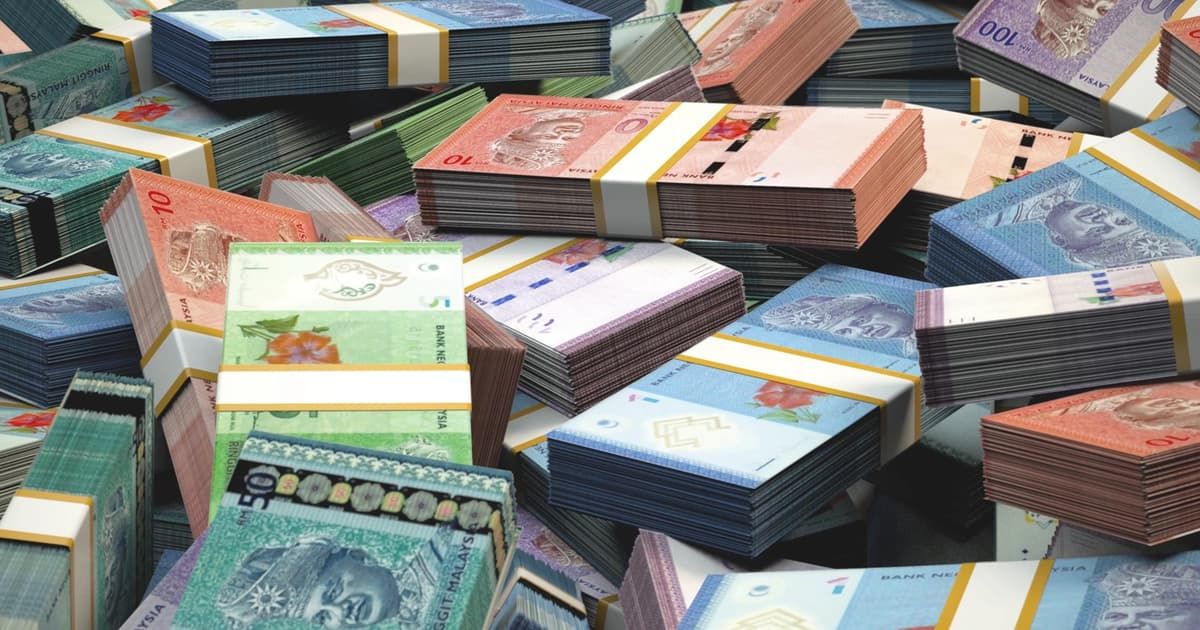
Global funds bought over US$2 billion in Malaysian corporate and sovereign bonds by March 19, marking the highest inflow in ten months, according to Bank Negara Malaysia data. That is a striking contrast to what is happening next door. Thailand and Indonesia both recorded net capital outflows from their bond markets last month. Across the broader emerging-market universe, exchange-traded bond funds saw a cumulative exodus of nearly US$1 billion in the month through March 27, per Bloomberg data. Malaysia is not just holding steady in this environment — it is actively attracting money that other markets are losing.
Oil Is the Dividing Line
The explanation lies in Malaysia's unique position as a net energy exporter. While oil-importing countries across Asia are watching their import bills balloon as Brent crude surged past $120 a barrel in the wake of the Strait of Hormuz closure, Malaysia stands to benefit from the very same price spike. Higher oil revenues strengthen the government's fiscal position, giving it room to absorb the shock — and even shield its citizens from it.
That buffer is not hypothetical. The Malaysian government is determined to keep its subsidised RON95 petrol priced lower for locals, which will now cost the government 4 billion ringgit every month, up from an estimated 700 million ringgit previously. This is in stark contrast to its neighbour Thailand, which recently cut a subsidy on diesel, and the Philippines, which declared a national energy emergency on Thursday. M&G Investments fund manager Peerampa Janjumratsang put it plainly — Malaysia's fiscal consolidation and larger oil revenues create genuine space for the government to support its economy against energy shocks.
A Central Bank That Doesn't Need to Panic
Beyond oil revenues, investors are also drawn in by a monetary policy environment that stands out in a region where rate hikes are increasingly being priced in. Bank Negara Malaysia held its Overnight Policy Rate steady at 2.75% for the fourth consecutive meeting this month, with BNM projecting headline inflation at just 1.5% to 2.5% for 2026 — remarkably calm given the global backdrop.
Ringgit interest-rate swaps are pricing rates unchanged for the next 12 months. By contrast, won and baht swaps are pricing between one and four 25-basis-point rate hikes over the same period, while Philippine peso swaps already price a hike within three months. The logic for bond investors is straightforward: if rates are expected to stay flat in Malaysia while rising elsewhere, Malaysian bonds are less vulnerable to price declines caused by rate increases.
Winson Phoon, head of fixed-income research at Maybank Securities, noted that domestic inflation is cushioned by fuel subsidies, and BNM is likely to look past cost-push pressures given the absence of demand-side inflation.
The Ringgit Adds to the Attraction
There is one final ingredient: currency. The ringgit has risen around 3% against the US dollar this year, outperforming every other Asian currency even amid the war-driven volatility. BNM Governor Abdul Rasheed Ghaffour raised the bank's 2026 growth forecast to between 4% and 5%, supported by strong household spending, electronics exports, and resilient tourism. A Bloomberg study of five major energy shocks since 2022 ranked Malaysian bonds among the most resilient in emerging Asia.
For global investors navigating one of the most turbulent energy crises in decades, Malaysia has quietly become a rare pocket of calm in a very stormy sea.