Why the US Dollar Is a Global Hard Currency But Not the Most Valuable
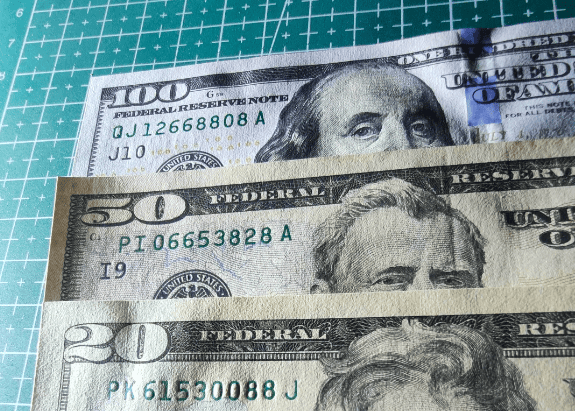
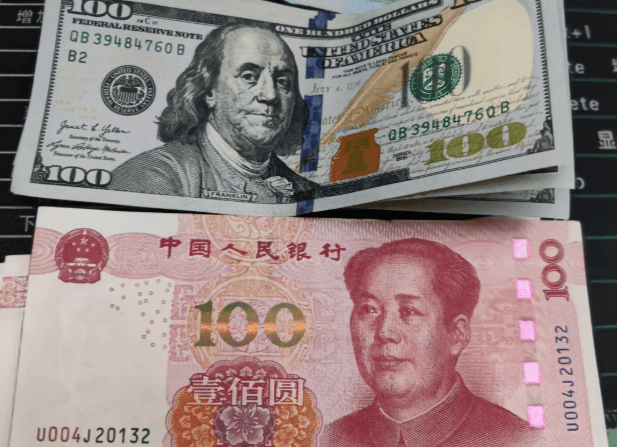
The US dollar has always stood at the center of the global financial system. People use it everywhere—for international trade, for investments across borders, and by central banks for reserves. But there’s a question that trips up a lot of folks: If the dollar is so important, why isn’t it the most valuable currency on earth? To clear things up, let’s separate two ideas—what makes a “hard currency,” and what makes a currency valuable.
Why the US Dollar Dominates Globally
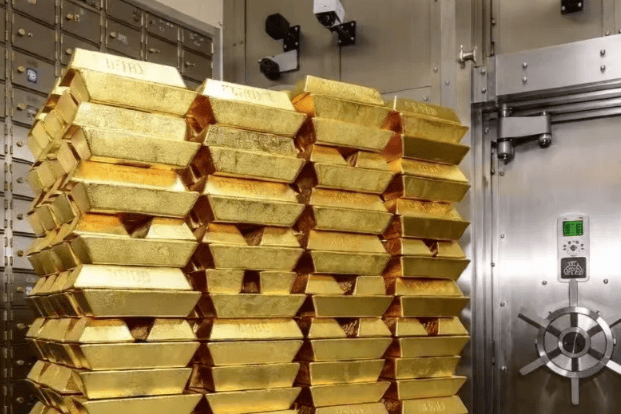
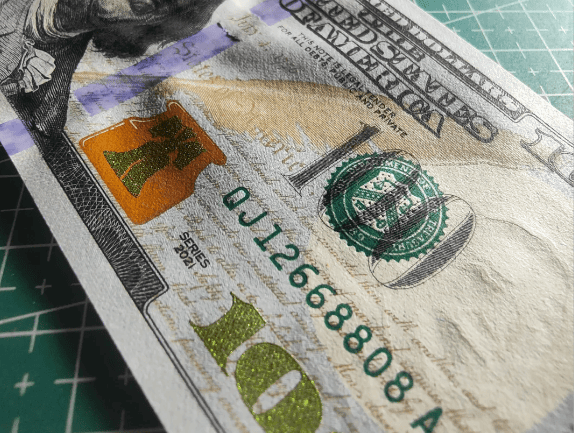
A hard currency is basically money that people everywhere trust. It keeps its value, you can easily exchange it, and it’s accepted in transactions around the world. The dollar checks all these boxes. There’s a reason for that—the US has a huge economy and wields a lot of political power. After World War II, the Bretton Woods system tied the dollar’s value to gold, giving it rock-solid credibility. When that tie broke in the 1970s, things shifted, but Americans found another way to keep the dollar strong: oil trades switched to dollars only. That “petrodollar” system made sure global demand for the greenback stayed high.
There’s more. Wall Street is the world’s financial capital. Investors everywhere see US assets, like Treasury bonds, as super safe. Plus, if you want to move money across borders, most of the world's financial plumbing—systems like SWIFT and CHIPS—is built around the dollar. Right now, the dollar makes up about 60% of the world's foreign currency reserves and is used for about 60% of international trade deals. No other currency even comes close in terms of global reach.
Hard Currency vs. High Value–Not the Same Thing
It’s important to understand that being a hard currency doesn’t mean a currency is worth more on the exchange rate charts. “Hard currency” tells us about its reputation and whether people worldwide actually want to hold and use it. “Currency value” is just a number that shows how much it costs to buy one currency using another. That value jumps around based on supply and demand in the global market, not just on whether people trust it.
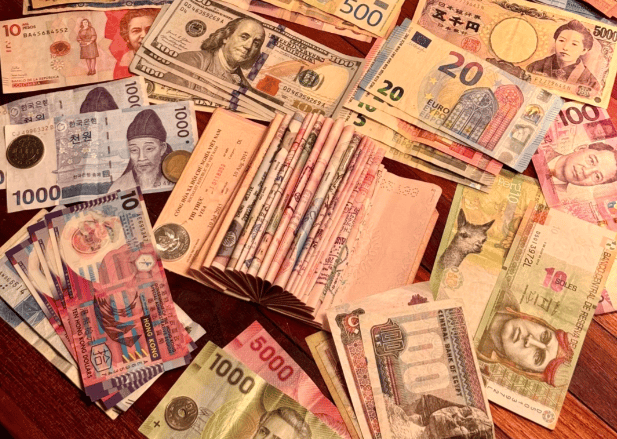
Take the Kuwaiti Dinar for example. Right now, it’s one of the priciest currencies out there. But nobody outside Kuwait really uses it—it's not a global hard currency. In contrast, the dollar isn’t the strongest by exchange rate, but you can spend it or exchange it practically anywhere.
What Drives the World’s Most Valuable Currencies
When you look at which currencies are “the most valuable” (meaning they have the highest exchange rates), it’s usually those from small countries with stable economies, low inflation, and tight control over how much money they print. These countries don’t flood the market with their currency. For example, oil-rich nations often keep their money supply on a tight leash. That’s different from the US, which is quick to print more dollars if it needs to boost the economy. Plus, since these small countries’ currencies aren’t used worldwide, they don’t swing as wildly with global trends.
Summary
The US dollar rules globally because it’s trusted everywhere, you can get your hands on it easily, and it’s backed up by a massive economy and the network of American finance. Its value, though, mostly depends on how much of it is out there and what the world wants. The strongest currencies by pure numbers often come from tiny, stable countries with little money in circulation—but those don’t have anywhere near the influence of the US dollar. The dollar’s real power comes not from its exchange rate, but from how the world runs on it.